Vardhana Laboratory · MSKCC
We study how the metabolic state of the immune system regulates its homeostasis, function, and fate — with the goal of understanding and overcoming immune dysfunction in cancer.
Featured Publication
bioRxiv · 2026
A post-translational regulatory map of chronic antigen-driven human T cell dysfunction
Read the paper ↗Research Focus
Our laboratory integrates cell biology, biochemistry, and computational approaches to understand how intracellular metabolic programs and the tumor microenvironment cooperate to drive T cell dysfunction — and how these insights can be harnessed therapeutically.

We investigate the molecular checkpoints governing T cell metabolic programs — including TCR and co-receptor driven signal transduction, as well as how the resultant metabolic alterations in immune cells influence epigenetic, transcriptional, and post-transcriptional programs that drive cell fate decisions in health and disease.

The tumor microenvironment imposes profound metabolic constraints on T cells. We study how the balance between nutrient demand and availability limit functional immune programs within tumors.

Using single-cell approaches, we map the metabolic diversity within T cell populations to identify how distinct metabolic states give rise to functionally heterogeneous immune cell subsets in tumors, particularly subtypes that do not respond to conventional immunotherapies.

We apply mechanistic insights to lymphoid malignancies, studying how the unique cellular landscape of hematologic cancers and anti-cancer therapeutics shapes immune responses to both cancer and viral infections.
Experimental Approaches
Metabolic Profiling
Seahorse XF analysis, stable isotope tracing, and mass spectrometry-based metabolomics to quantify cellular metabolic flux.
Immunologic Assays
High-parameter flow cytometry, functional killing assays, cytokine profiling, and ex vivo co-culture systems.
Molecular Genetics
CRISPR-Cas9 screens, retroviral/lentiviral overexpression, and conditional knockout mouse models to dissect gene function.
Mouse Models
Genetically engineered mouse models of lymphoma, syngeneic tumor challenges, and adoptive T cell transfer systems.
Single-Cell Genomics
scRNA-seq, ATAC-seq, CITE-seq, and spatial transcriptomics to resolve intra-tumoral T cell heterogeneity at single-cell resolution.
Synthetic Biology
Engineered T cell receptors, CAR-T platforms, and synthetic metabolic circuits to rewire immune cell function and validate therapeutic targets.
Selected Publications
bioRxiv
Mitochondrial ATP production promotes T cell differentiation and function by regulating chromatin accessibility
bioRxiv
A post-translational regulatory map of chronic antigen-driven human T cell dysfunction
bioRxiv
Intratumoral amino acid insufficiency limits CD8+ T-cell effector function
bioRxiv
MEK-dependent bioenergetic demand drives terminal CD8+ T cell exhaustion
bioRxiv
Disrupted priming within draining lymph nodes drives immune quiescence in gastric cancer
Nature Medicine
Duvelisib plus romidepsin in relapsed/refractory T cell lymphomas: a phase 1b/2a trial
Immunity
SARS-CoV-2 in immunocompromised individuals
Cancer Cell
Genome-wide CRISPR screens of T cell exhaustion identify chromatin remodeling factors that limit T cell persistence
Cancer Cell
Impaired humoral immunity is associated with prolonged COVID-19 despite robust CD8 T cell responses
Cancer Discovery
Prolonged SARS-CoV-2 Infection in Patients with Lymphoid Malignancies
Nature Medicine
CD8+ T cells contribute to survival in patients with COVID-19 and hematologic cancer
Nature Immunology
Impaired mitochondrial oxidative phosphorylation limits the self-renewal of T cells exposed to persistent antigen
Nature Metabolism
Glutamine independence is a selectable feature of pluripotent stem cells
Immunity
Essential Role of Ubiquitin and TSG101 Protein in Formation and Function of the Central Supramolecular Activation Cluster
Annual Review of Immunology
Functional Anatomy of T Cell Activation and Synapse Formation
Lab News
March 2026
The lab received a DOD award to study RNA splicing in T cell exhaustion and a new R01 grant to understand and overcome immune dysfunction in gastric adenocarcinoma. Thanks to all for a great team effort!
March 2026
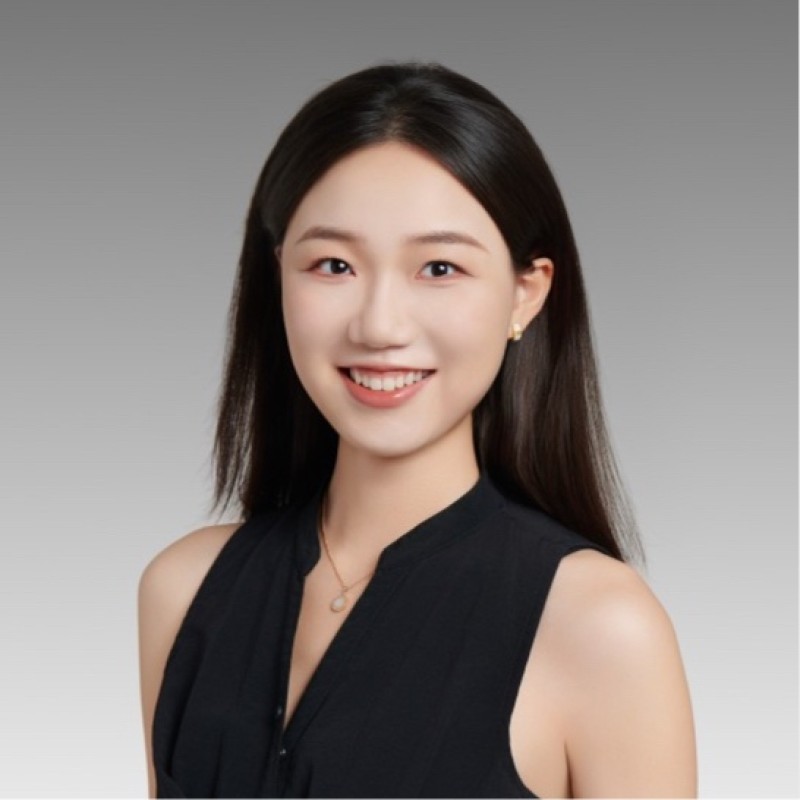
The Vardhana Lab will be welcoming several new lab members, including Qinyan Feng, a new graduate student in the IMP program and Deahzana Randall, a new Damon Runyon SPARK Scholar!
November 2025
Tiffany Merlinsky became the first Vardhana lab member to successfully defend her thesis, "Cysteine Availability Limits CD8+ T Cell Priming in Severe COVID-19". Congratulations Tiffany!
The Team
Principal Investigator · Assistant Member, Immuno-Oncology Program, MSK
Santosha Vardhana is an Assistant Professor in the Immuno-Oncology Program at Memorial Sloan Kettering Cancer Center and an Attending Physician on the Lymphoma Service within the Department of Medicine.
He completed his graduate training in Michael Dustin’s laboratory at New York University in immunology, clinical residency in internal medicine at New York Presbyterian Hospital/Weill Cornell Medical College, medical oncology training at Memorial Sloan Kettering Cancer Center, and post-doctoral training in the laboratory of Craig Thompson. He has received several awards including a Pershing Square Sohn Cancer Research Prize, a Burroughs Wellcome Fund Career Award for Medical Scientists, a Damon Runyon Clinical Investigator Award, and was named one of Cell's 50 Scientists that Inspire.
Postdoctoral Fellows

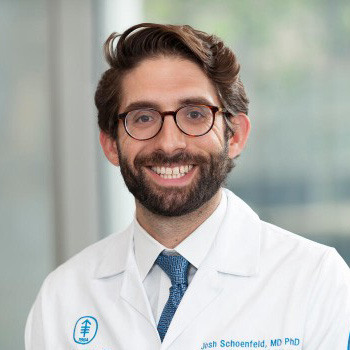
Joshua Schoenfeld, MD, PhD
Postdoctoral Fellow · Instructor, Gastrointestinal Medical Oncology
Iron Metabolism · Pancreas Cancer Immunotherapy

Luis Felipe Somarribas Patterson, PhD
Postdoctoral Fellow
Amino acid catabolism · Nuclear Orphan Receptors

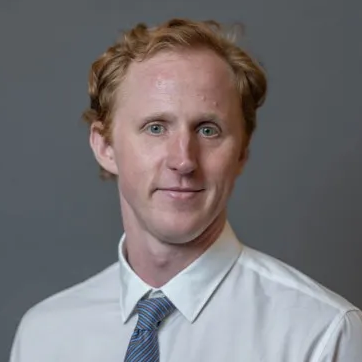
Philipp Berning, MD
Postdoctoral Fellow, Lymphoma
Follicular lymphoma · Bispecific antibodies

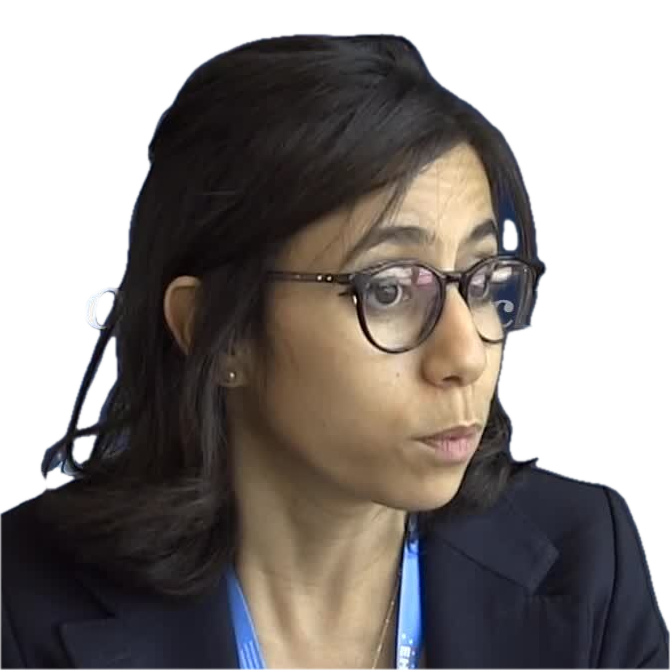
Amira Marouf, MD, PhD
Postdoctoral Fellow, Lymphoma
Rare lymphomas · Single cell transcriptomics

Max Coffey, MD
Postdoctoral Fellow, Gastric Cancer
Locally advanced gastric cancer · gastric pre-malignant lesions
Graduate Students

Lisa McGary
MD/PhD Candidate
Glucose metabolism · Epigenetics

Yan-Ting Chen
PhD Candidate
Amino acid metabolism · Tumor microenvironment

Tanmana Mitra
PhD Candidate
TCR avidity · Signal transduction

Katarina Liberatore
PhD Candidate
Lipid metabolism · Lymph node biology

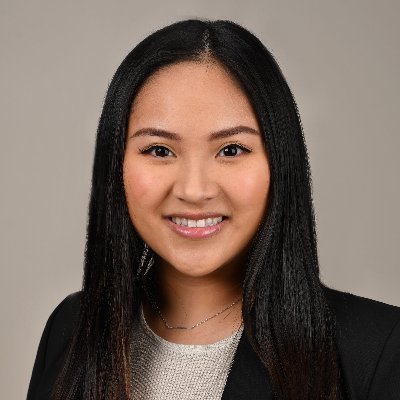
Qinyan Feng
PhD Candidate
RNA homeostasis · Amino acid metabolism
Research Staff

Ya-Hui Lin, MS
Senior Research Technician

Jahi Noel
Research Technician
Alumni
Tiffany Merlinsky
Graduate Student · 2021–2025
Emily Stroobant, MD
Research Fellow · 2023–2025
Miseker Abate, MD
Research Fellow · 2021–2023
Madeline Hwee
Research Technician · 2017–2021
Collaborators
Chrysothemis Brown, MD, PhD
MSKCC · Immuno-Oncology
Regulation of immune homeostasis by antigen presenting cells
Omar Abdel-Wahab, MD
MSKCC · Molecular Pharmacology
RNA biology in health and disease
Sohrab Shah, PhD
MSKCC · Computational Oncology
Leveraging single cell technologies to understand cancer evolution
Benjamin Greenbaum, PhD
MSKCC · Computational Oncology
Self versus non-self recognition in cancer immunity
Christina Leslie, PhD
MSKCC · Computational & Systems Biology
Modeling cell-type specific transcriptional programs
Caleb Lareau, PhD
MSKCC · Computational & Systems Biology
Reshaping of the immune system during somatic evolution
Ekaterina Vinogradova, PhD
Rockefeller University
Chemical proteomic approaches to understand the immune system in health and disease
Ansuman Satpathy, MD, PhD
Stanford · Department of Pathology
Applying genome-scale technologies to study fundamental principles of the immune system
Get in Touch
Location
Memorial Sloan Kettering Cancer Center
Zuckerman Research Building, 8th floor
417 East 68th Street
New York, NY 10065
Principal Investigator
We are actively recruiting motivated postdoctoral fellows, graduate students, and research technicians who are passionate about immunology, cancer biology, and metabolism. We welcome scientists from diverse backgrounds and are committed to fostering an inclusive, collaborative environment.
Prospective members should send a CV, brief statement of research interests, and contact information for three references.
Get in Touch